
HeyGen 3.0 Review 2026: The Closest Thing to a Photorealistic AI Presenter
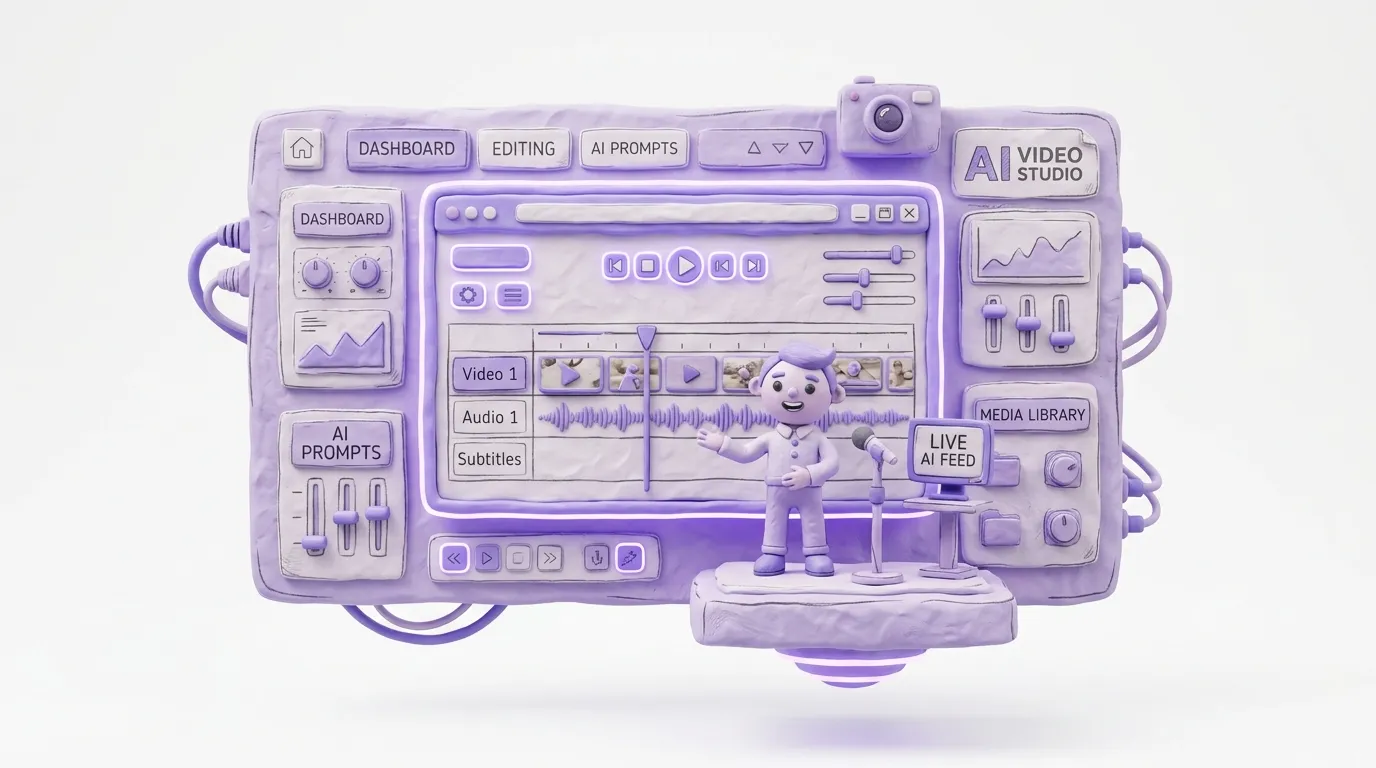
Producing a polished spokesperson video used to require a camera, a studio, a teleprompter, and a half-day of everyone’s time. HeyGen 3.0 collapses that entire pipeline into a browser tab. Paste in a script, pick an avatar, and a broadcast-ready presenter video renders in minutes — no camera crew, no retakes, no travel budget.
That pitch isn’t new. What is new in version 3.0 is the Avatar IV rendering engine, which closes the uncanny-valley gap that made first-generation AI avatars immediately identifiable as synthetic. Micro-expressions, natural eye saccades, and frame-accurate lip-sync at 1080p now make Avatar IV outputs competitive with real on-camera footage at the resolution most web video is actually viewed.
For video marketers who publish at volume, L&D teams maintaining large course libraries, and agencies managing multilingual campaigns, the ROI case is straightforward: one HeyGen subscription replaces dozens of shoot days per year. Use coupon HEYGENAI at checkout to bring the Creator plan down to $29/month (regular $89 [VERIFY]) — a 67% reduction.
Avatar IV & Instant Avatar — Photorealistic Presenters Without a Camera Crew
Avatar IV: What “Hyper-Realistic” Actually Means Here
Previous AI avatar generations suffered from three tells: frozen blink patterns, jaw movement that lagged behind the audio by a half-frame, and shoulder/neck rigidity that made presenters look like floating heads. Avatar IV addresses all three directly.
Eye movement is procedurally generated with saccade patterns drawn from motion-capture reference data — the avatar’s gaze drifts and refocuses the way a human speaker’s does, not in a looping animation cycle. Micro-expressions (subtle brow raises, mouth corner tension between sentences) are baked into the rendering pass rather than applied as a post-process overlay, so they respond naturally to sentence pacing. Lip-sync is rendered frame-by-frame against the phoneme timeline of your TTS or uploaded audio, not stretched over a pre-recorded mouth loop.
At 1080p — the resolution where most marketing and training video is consumed — these improvements hold up. Artifacts are still visible at 4× zoom or on large displays, but for LinkedIn, LMS embeds, and web landing pages, Avatar IV output is genuinely competitive with mid-budget on-camera production.
HeyGen’s avatar library includes 100+ stock avatars [VERIFY] spanning a wide range of appearances, ages, and presentation styles, with formal, casual, and studio-style background variants for each.
Instant Avatar: Webcam-to-Clone in Under an Hour
Instant Avatar is the feature that matters most to teams that need a specific face on camera — their own. The workflow is:
- Record a 2-minute webcam clip following HeyGen’s posture and lighting prompts (no external hardware required)
- Upload to HeyGen’s processing pipeline
- Receive a personal avatar within approximately 30–60 minutes [VERIFY]
The resulting clone handles any new script without re-recording. For internal training content, executive comms, or customer-facing explainers where brand trust is tied to a specific person’s face, this is a significant capability. Voice cloning is included — you record a short voice sample alongside the video, and HeyGen’s TTS renders new scripts in your cloned voice.
Quality gap vs. Avatar IV stock avatars: Instant Avatars trained on webcam footage are slightly less polished than the studio-captured stock avatars, particularly in shoulder movement fidelity. For most use cases the difference is acceptable; for hero marketing content at high visibility placements, the stock Avatar IV library remains the higher-quality option.
Video Translation & Lip-Sync Dubbing — 175+ Languages Without Re-Shooting
How the Pipeline Actually Works
HeyGen’s Video Translation feature is not a simple audio swap with subtitles. The process is:
- Transcription — the original video is transcribed using HeyGen’s speech recognition layer
- Translation — the transcript is machine-translated into the target language
- TTS synthesis — a voice matched to the original speaker’s characteristics renders the translated text as audio in the target language
- Lip-sync re-rendering — the avatar’s mouth and jaw movements are re-rendered against the new phoneme timeline
That fourth step is what separates HeyGen from tools that just overlay translated audio on top of existing footage. Because the lip geometry is regenerated, the resulting video doesn’t exhibit the mouth-not-matching-words artifact that makes standard dubbing feel foreign even to viewers who don’t speak the source language.
Language Coverage and Quality Tiers
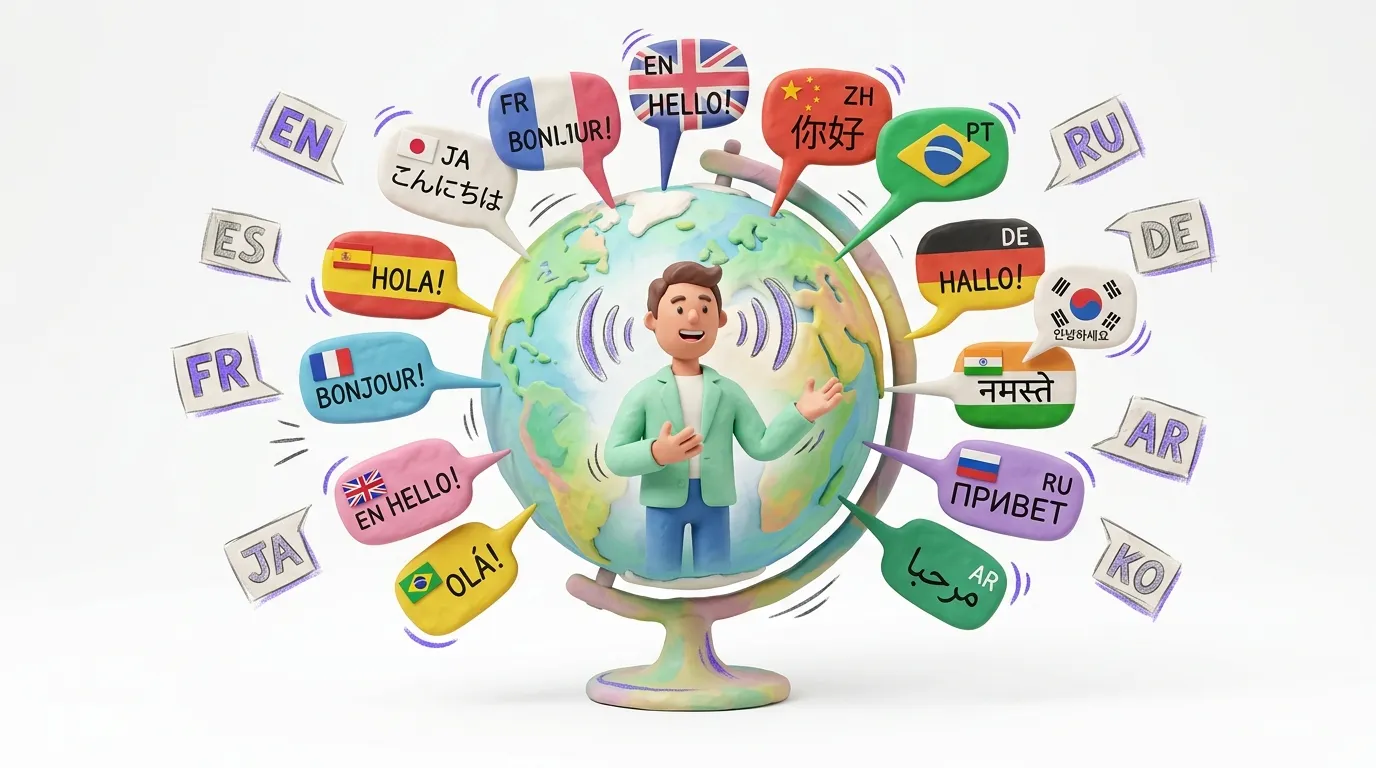
HeyGen supports 175+ languages [VERIFY]. Quality is not uniform across the library:
- Tier 1 languages (English, Spanish, French, German, Portuguese, Japanese, Korean, Mandarin, Hindi, Arabic): TTS voice quality and lip-sync fidelity are production-grade. These cover the majority of global commercial video use cases.
- Tier 2 languages (regional languages and less-resourced variants): TTS quality is functional but noticeably more synthetic. Lip-sync accuracy decreases for languages with phoneme sets far from the training distribution. For formal publishing in these languages, human review of the translated script before rendering is strongly recommended.
Turnaround and Workflow Integration
A 3-minute source video translates and renders in approximately 5–10 minutes per language target [VERIFY] depending on server load. For agencies managing 10-language campaigns, that means a full localization batch can complete in under two hours — a workflow that previously required coordinating human voice talent across multiple markets.
Global content teams can feed Video Translation directly through the API, enabling automated localization pipelines where new source videos trigger multi-language renders without manual intervention.
Scene Editor & Brand Workflow — Full Videos Without Leaving the Browser
Multi-Scene Timeline
HeyGen’s Scene Editor is a linear timeline editor built into the browser interface. It supports:
- Multiple scenes with independent avatar placement, background, and duration settings
- Text overlay templates with typography controls (font, size, color, animation entrance/exit)
- Media import for images, video clips, and screen recordings that can be composited alongside the avatar layer
- Background options: solid colors, pre-built virtual sets, custom image/video backgrounds, and green screen processing for uploaded footage
For a standard 2–3 minute training module or product explainer, the Scene Editor handles the full production without requiring a video editing application. The output is a single rendered MP4.
Brand Kit Integration
Teams on Business and Enterprise plans can upload brand assets — logo, color palette, custom fonts — once, and they become available across all scenes and all team members. This eliminates the manual brand-consistency step that consumes significant time in agency environments managing multiple client accounts.
Interactive Avatar: Conversational Embed Use Case
Interactive Avatar extends the platform beyond pre-rendered video into real-time conversational AI. An Interactive Avatar is connected to a knowledge base (via document upload or URL scraping) and embedded on a webpage or in an app via a JavaScript snippet. Visitors can ask questions; the avatar responds in real-time with synthesized speech and synchronized mouth movement.
The primary use cases are website FAQ presenters, product demo assistants, and onboarding guides. Response latency is approximately 1–3 seconds [VERIFY], which is acceptable for most informational use cases. This feature is available on Business and Enterprise plans [VERIFY].
HeyGen 3.0 vs Synthesia: Choosing the Right AI Avatar Platform
| Feature | HeyGen 3.0 | Synthesia |
|---|---|---|
| Avatar Realism (2026) | Avatar IV — micro-expressions, natural eye movement | High quality, slightly more stylized |
| Stock Avatar Count | 100+ [VERIFY] | 230+ [VERIFY] |
| Instant Avatar (self-clone) | ✅ Webcam, ~30–60 min | ✅ Available |
| Video Translation | 175+ languages, lip-sync re-render | 29 languages [VERIFY], audio overlay |
| Interactive Avatar | ✅ Conversational embed | ❌ Not available |
| API Access | ✅ All paid plans | ✅ Enterprise only [VERIFY] |
| Zapier Integration | ✅ | ❌ |
| Free Plan | ✅ Limited credits | ✅ Limited credits |
| Starting Price (monthly) | ~$29 with HEYGENAI coupon | ~$22/month [VERIFY] |
| Ideal For | Multilingual campaigns, interactive use cases, API automation | Large stock avatar selection, simpler L&D production |
Summary: Synthesia has a larger stock avatar library and a marginally lower entry price. HeyGen 3.0 leads on language coverage for dubbing (175+ vs 29), lip-sync re-rendering quality, Interactive Avatar functionality, and API accessibility across paid tiers. For teams with global distribution requirements or interactive embed use cases, HeyGen is the stronger choice. For straightforward single-language L&D content production, either platform is competitive.
Pros & Cons
| Detail | |
|---|---|
| ✅ Avatar IV realism | Micro-expressions and eye saccades eliminate the most obvious uncanny-valley markers at web viewing resolutions |
| ✅ 175+ language lip-sync dubbing | Re-renders mouth geometry in target language rather than overlaying audio — meaningfully better output quality |
| ✅ Interactive Avatar embed | Conversational AI presenter on your site with sub-3-second response latency, no competing tool matches this |
| ✅ 67% discount with HEYGENAI | Creator plan drops to $29/month [VERIFY] — strong value for teams producing 5+ videos per month |
| ❌ Render time on long videos | Videos over 5 minutes can queue for 10–20 minutes during peak hours — not suitable for live turnaround requirements |
| ❌ Instant Avatar quality ceiling | Webcam-trained clones are visibly less polished than studio-captured stock avatars; shoulder movement fidelity lags |
| ❌ Tier 2 language TTS quality | Less common languages produce noticeably synthetic voice output; human script review required before publishing |
| ❌ Interactive Avatar gated to higher plans | Conversational embed feature requires Business or Enterprise tier — Creator plan users cannot access it [VERIFY] |
Pricing (April 2026, Annual Billing)
All pricing below is based on publicly available information and should be verified at checkout [VERIFY].
| Plan | Price (Annual) | Key Limits |
|---|---|---|
| Free | $0 | ~3 videos/month, watermarked output, limited avatar access [VERIFY] |
| Creator | ~$29/mo with HEYGENAI (regular ~$89/mo [VERIFY]) | ~15 credits/month, 1080p export, Instant Avatar, Video Translation, API access [VERIFY] |
| Business | ~$179/mo [VERIFY] | ~30 credits/month, Brand Kit, Interactive Avatar, priority rendering, team seats [VERIFY] |
| Enterprise | Custom pricing | Unlimited credits, dedicated CSM, SSO, SLA, custom avatar training [VERIFY] |
Credit burn rate to note: A standard 1-minute video consumes approximately 1 credit [VERIFY]. Video Translation and Interactive Avatar sessions consume credits at different rates — review HeyGen’s current credit documentation before planning high-volume campaigns to avoid mid-month overages.
Coupon: Apply HEYGENAI at checkout for 67% off the Creator plan. The discount brings the monthly effective rate to approximately $29 on annual billing [VERIFY].
Final Verdict: Who Is HeyGen 3.0 For?
HeyGen 3.0 is purpose-built for three audiences:
Video marketers producing spokesperson content at volume — product launches, ad creatives, landing page explainers — where re-booking on-camera talent for every update is cost-prohibitive. At 5+ videos per month, the Creator plan at $29 with HEYGENAI pays for itself against even a single hour of studio time.
L&D teams maintaining course libraries where content needs regular updates. Instant Avatar means a team lead records once and refreshes dozens of modules without re-appearing on camera. Video Translation means a single source recording becomes a full multilingual training library.
Agencies and automation-heavy teams who need API-driven bulk video production and multi-language output pipelines. HeyGen’s API availability on all paid plans (not just enterprise, unlike some competitors) makes it viable for programmatic video workflows at scale.
The platform is not ideal for teams that need 4K output for broadcast or large-screen display, or for use cases requiring real-time rendering with zero queue time.
For the remaining majority of professional video use cases — web, LMS, social, landing pages — HeyGen 3.0 is currently the most complete AI avatar video platform available. Avatar IV realism, 175-language lip-sync dubbing, and Interactive Avatar functionality in a single subscription at this price point represent a genuine step-change in production leverage.
👉 Try HeyGen 3.0 free → | Use code HEYGENAI for 67% off the Creator plan